History of Black Wetlands Presentation
Tickets

On sale bartramsgarden.org
History of Black Wetlands Present
About
September 13 @ 12:00 pm - 1:00 pm
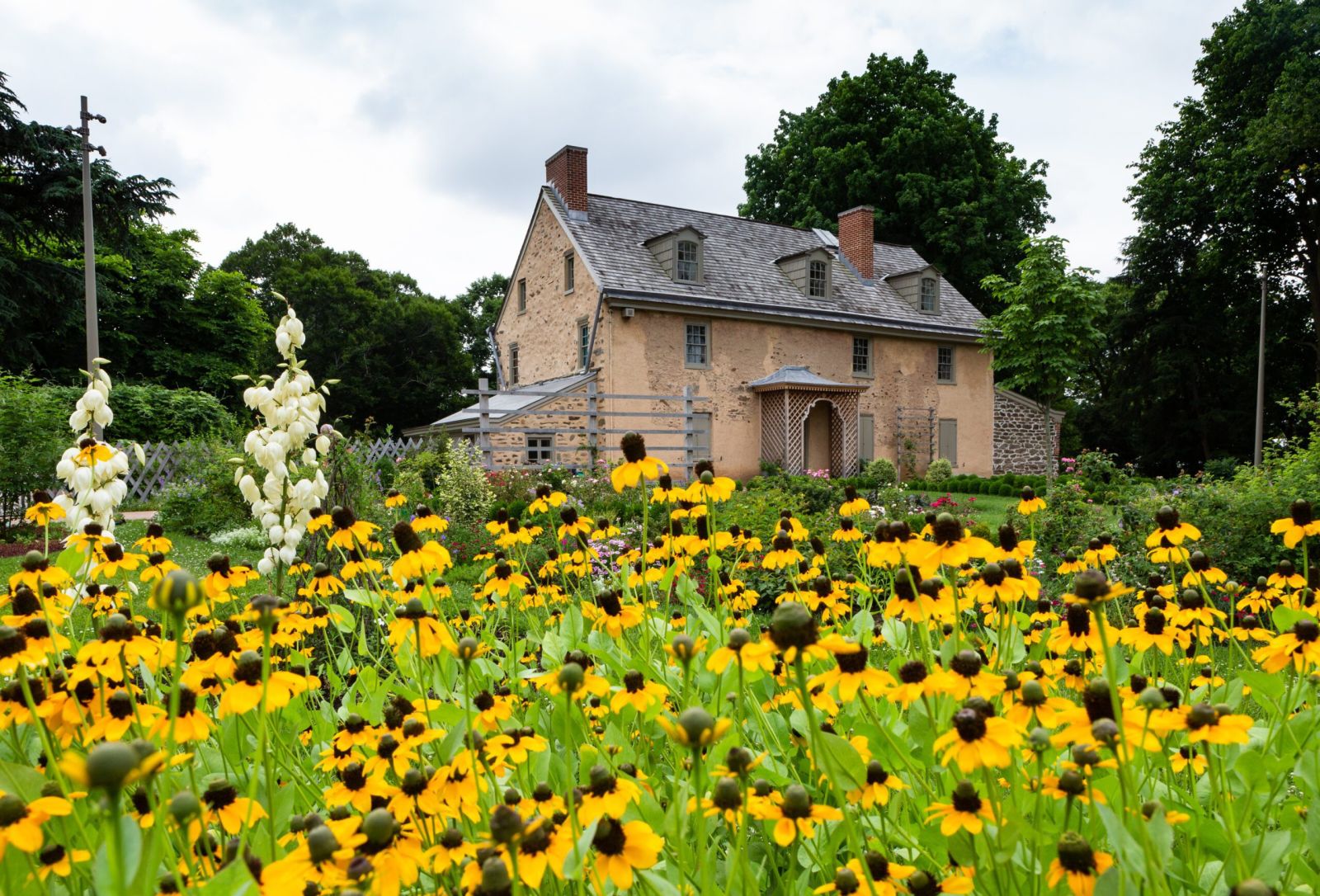
Bartram’s Garden Barn
According to The Cultural Landscape Foundation, “Cultural landscapes are landscapes that have been affected, influenced, or shaped by human involvement collectively, cultural landscapes are works of art, narratives of culture, and expressions of regional identity” (TCLF).
For this discussion, Bakari Clark will explore the historical significance of tidal wetlands and Black land-and-maritime stewardship. First beginning at a broader scale, along the Atlantic Seaboard then ending on a more regional scale that focuses on the history of Black Watermen throughout the Delaware Estuary, Bakari invites all to engage with the cultural history associated with our natural resources and the identity of those who have stewarded them before us.
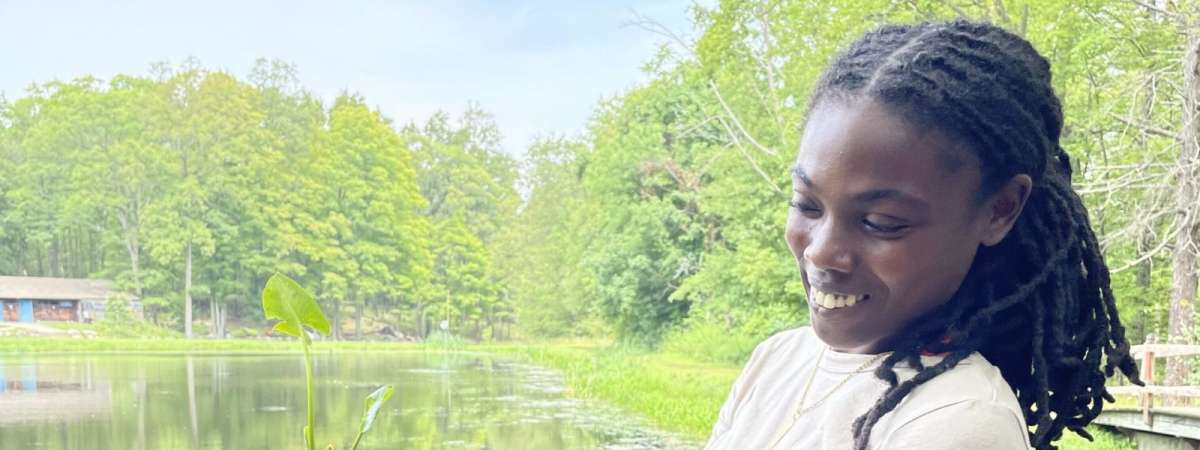
As a Dual Master Degree candidate in City Planning and Landscape Architecture at the University of Pennsylvania, Bakari Clark holds an interest in history and practices environmental planning and design. For much of Clark’s work, she has spent time focused on the practice of land stewardship and how it takes form as the cultivation of food. Drawn to the intersectionality of cultivation as a form of resiliency, resistance, or remembrance, she has found that many folks’ desire to grow food begins with their desire to connect to their roots, or in other words their spiritual connection to a land they no longer have daily physical access to. It is in this act of bringing past transitions and skills to “new” land that has interested Clark— and has guided her research of how stewarding both land and water has shaped local food systems and regional identity.
ACCESSIBILITY
This event will take place in the Barn, an indoor space that is accessible via wheelchair. It is about a 2-minute walk from the main Visitor Parking Loop, ADA-accessible on a paved path at a slight incline. Gendered, multi-stall public restrooms and all-gender single restrooms, both ADA-accessible, are about a two-minute walk away.
We’re happy to make accommodations for guests with mobility limitations. Large portions of our 50+ acre botanical garden can be explored via wheelchair, though some of our paths should be used at your own discretion. If you have questions or concerns, don’t hesitate to reach out ahead of time to *protected email*.
For more information about planning your visit, see bartramsgarden.org/visit
Bartram’s Garden Barn
According to The Cultural Landscape Foundation, “Cultural landscapes are landscapes that have been affected, influenced, or shaped by human involvement collectively, cultural landscapes are works of art, narratives of culture, and expressions of regional identity” (TCLF).
For this discussion, Bakari Clark will explore the historical significance of tidal wetlands and Black land-and-maritime stewardship. First beginning at a broader scale, along the Atlantic Seaboard then ending on a more regional scale that focuses on the history of Black Watermen throughout the Delaware Estuary, Bakari invites all to engage with the cultural history associated with our natural resources and the identity of those who have stewarded them before us.
As a Dual Master Degree candidate in City Planning and Landscape Architecture at the University of Pennsylvania, Bakari Clark holds an interest in history and practices environmental planning and design. For much of Clark’s work, she has spent time focused on the practice of land stewardship and how it takes form as the cultivation of food. Drawn to the intersectionality of cultivation as a form of resiliency, resistance, or remembrance, she has found that many folks’ desire to grow food begins with their desire to connect to their roots, or in other words their spiritual connection to a land they no longer have daily physical access to. It is in this act of bringing past transitions and skills to “new” land that has interested Clark— and has guided her research of how stewarding both land and water has shaped local food systems and regional identity.
ACCESSIBILITY
This event will take place in the Barn, an indoor space that is accessible via wheelchair. It is about a 2-minute walk from the main Visitor Parking Loop, ADA-accessible on a paved path at a slight incline. Gendered, multi-stall public restrooms and all-gender single restrooms, both ADA-accessible, are about a two-minute walk away.
We’re happy to make accommodations for guests with mobility limitations. Large portions of our 50+ acre botanical garden can be explored via wheelchair, though some of our paths should be used at your own discretion. If you have questions or concerns, don’t hesitate to reach out ahead of time to *protected email*.
For more information about planning your visit, see bartramsgarden.org/visit